
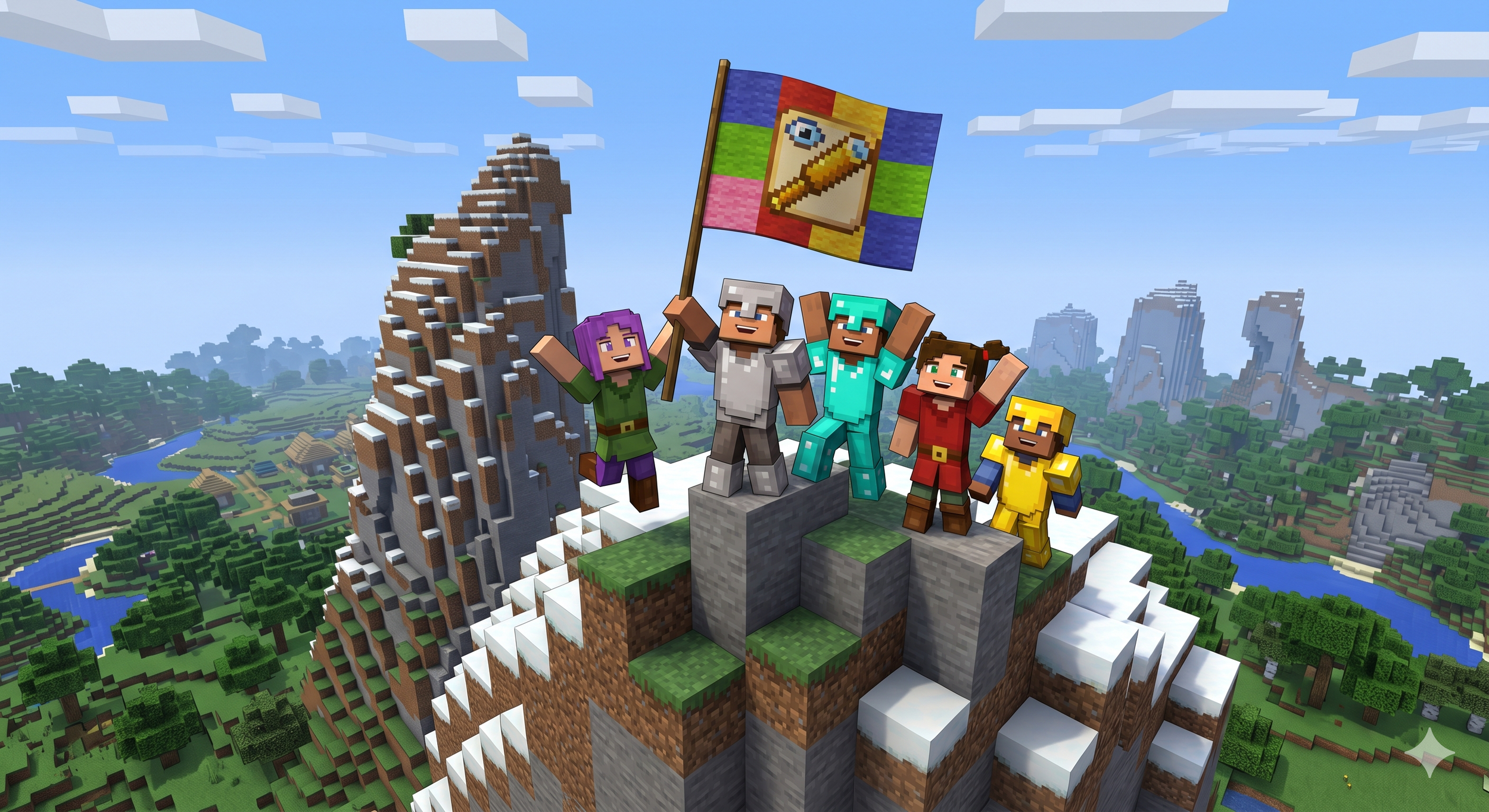
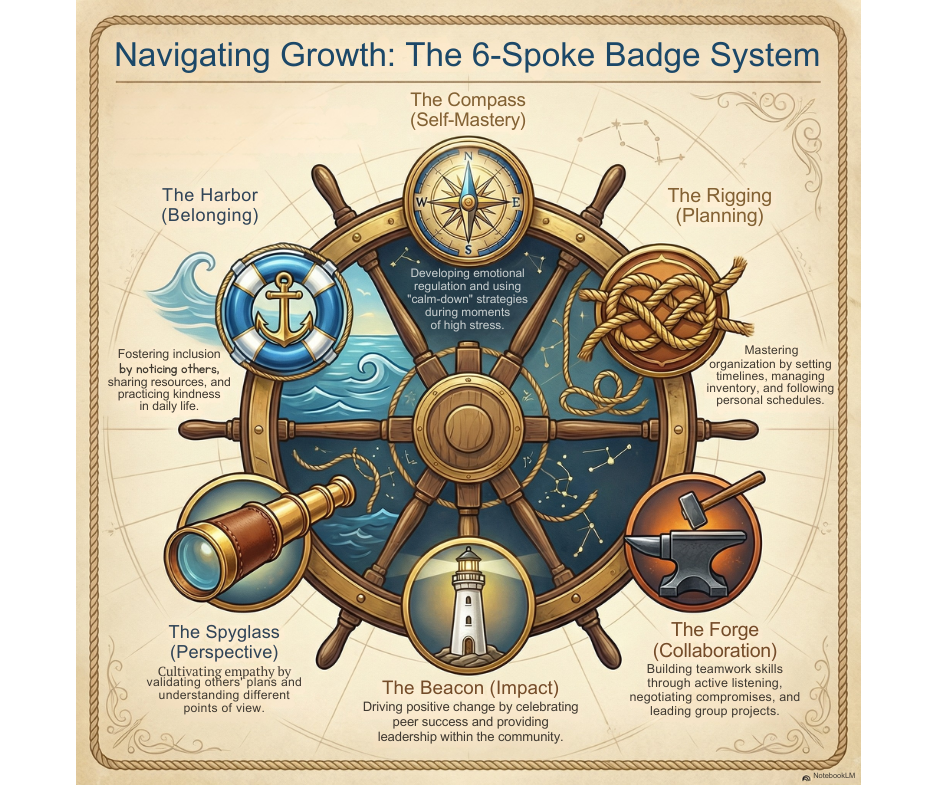
🔭 Week 6: The View from the Summit "I can do hard things (even when I don't want to)."
Celebrate the wins of the Spyglass Series and learn the science behind task avoidance. Discover how to help neurodivergent kids move past procrastination and apply social skills to the real world.
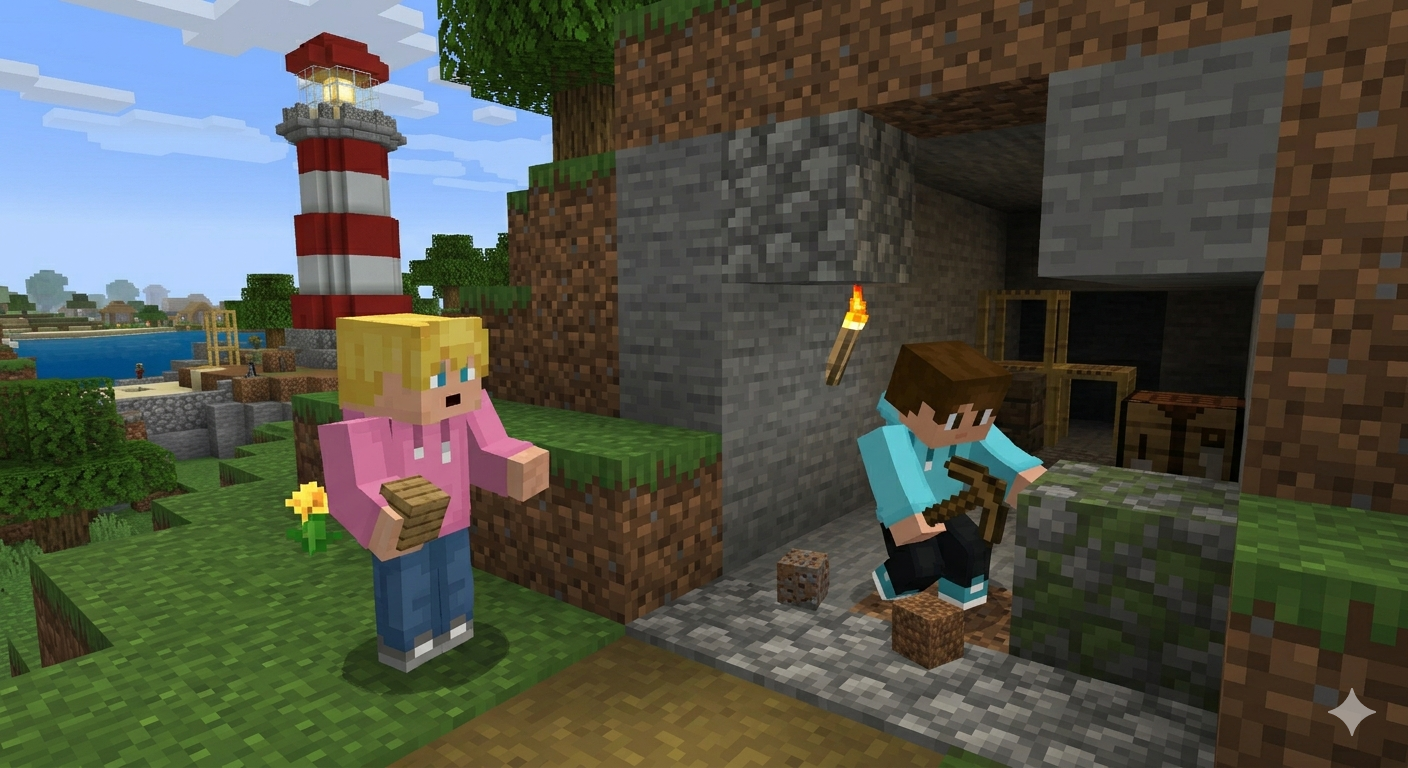
🔭 Week 5: The Anchor of Autonomy
“No!” isn’t always defiance; sometimes, it’s a biological necessity.
When a neurodivergent child is deep in a "building tunnel," being asked to stop can feel like physical friction. This week, we go beyond simple "inclusivity" to explore the Anchor of Autonomy. We discuss why "switching gears" is a high-stakes cognitive event and how the Double Empathy Problem creates social static between kids.
Discover the "Kind Decline"—a 3-step coaching tool to help your child set boundaries without leaving their friends feeling rejected. It's more than a Minecraft skill; it’s the foundation for personal autonomy in the teen years.
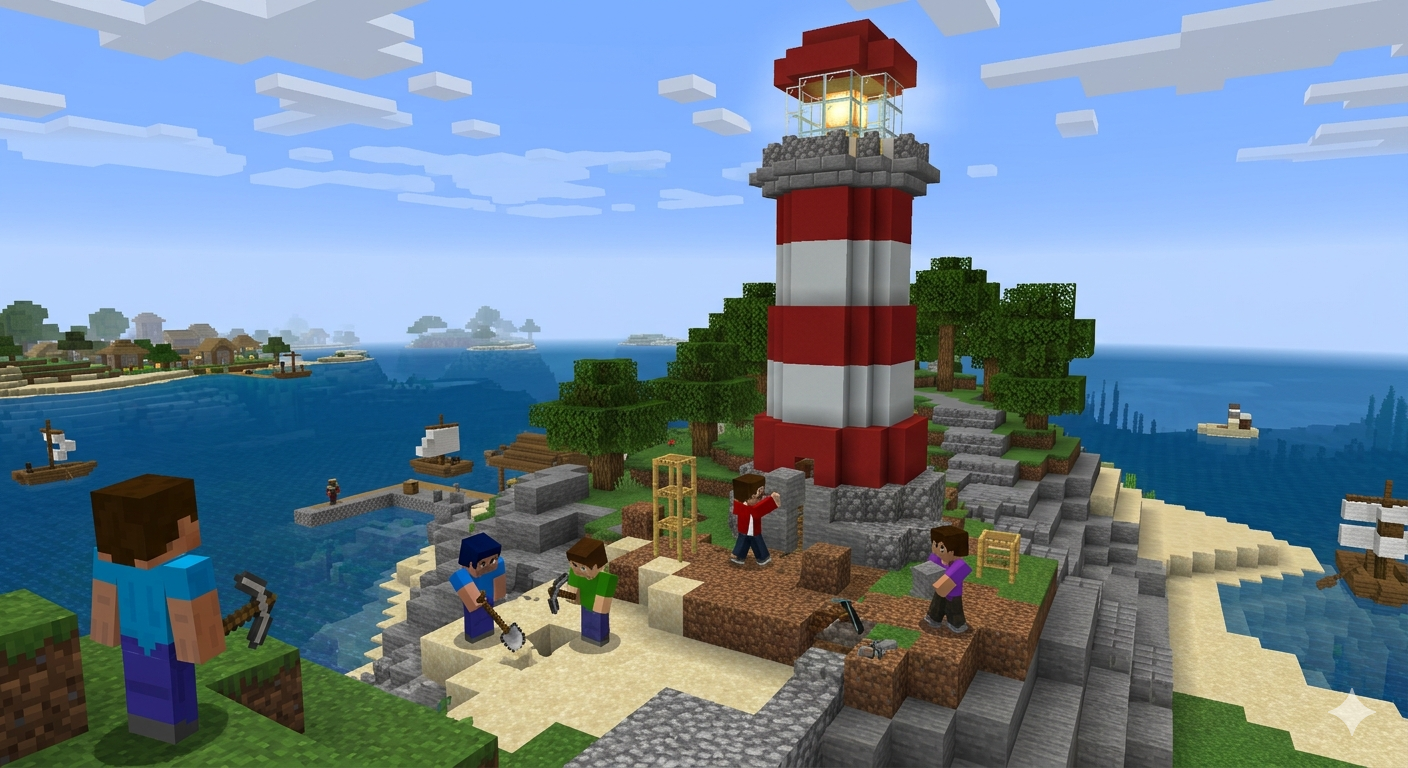
🔭 Week 3: The Lighthouse (Team/World)
The Lighthouse Effect & The "Social Deflate"
“I have great ideas, but the moment someone critiques them, I want to hide.”
Does this sound like your child? For many neurodivergent kids, the gap between having a brilliant idea and successfully sharing it with a group feels like a canyon. This week, we dive into the science of Rejection Sensitive Dysphoria (RSD) and Divergent Thinking.
We’re moving beyond "just fitting in" to a concept we call The Lighthouse Effect: learning how to value a teammate’s plan without letting your own internal light go out. Discover how we use Minecraft to coach kids through the "Social Deflate," helping them move from withdrawal back into active, confident contribution.
Inside this week’s Voyage:
Biological Reality: Why RSD is a neurological short-circuit, not a "bad attitude."
The Re-Entry Move: Why we reward the courage to try again over the final build.
The Family Brainstorm: A simple 5-minute tool to build a "Safe Harbor" for your child’s ideas at home.
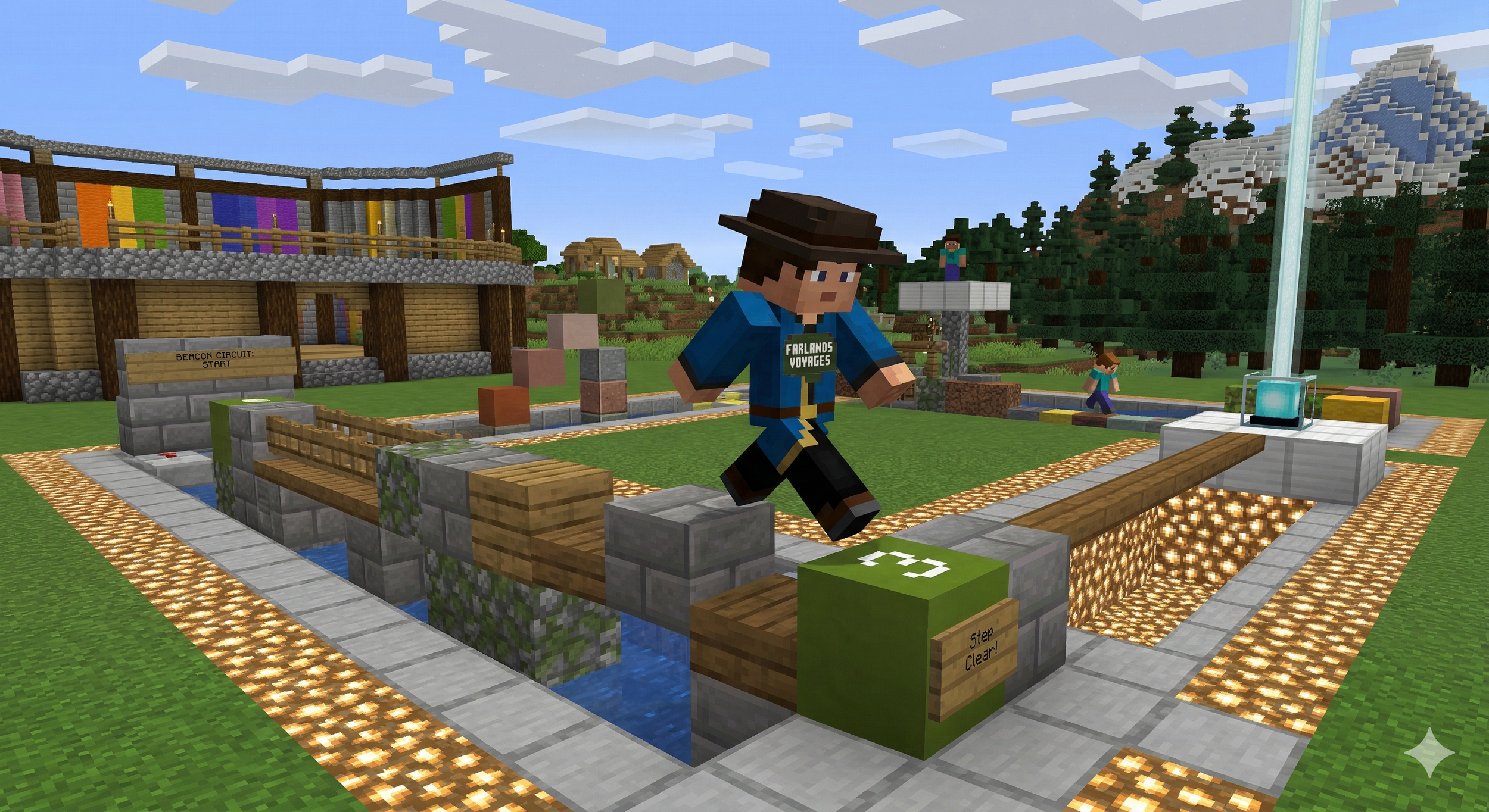
🔭 Week 2 of the Spyglass Series - Adjusting the Focus (Self/Team) "I can follow a sequence without losing the map."
We never had our parents do that..." (And why that's okay!) ⚓
We’ve all heard it: "I just remembered what I was told or I was in trouble." But modern science shows us that for neurodivergent kiddos, "forgetting" isn't defiance—it's a hardware limitation in their Working Memory.
This week at Farlands, we’re showing parents how to move from compliance to connection. By using our "Beacon Circuit" strategy, we are helping kids find the "Short Path" to success rather than leaving them to wander the long road of shame and "I forgot."
What's inside:
The "Storm" Technique: Training the brain to hold data during interruptions.
Why "Context Blindness" makes siblings fight—and how to fix it.
A simple 3-step strategy for home missions.
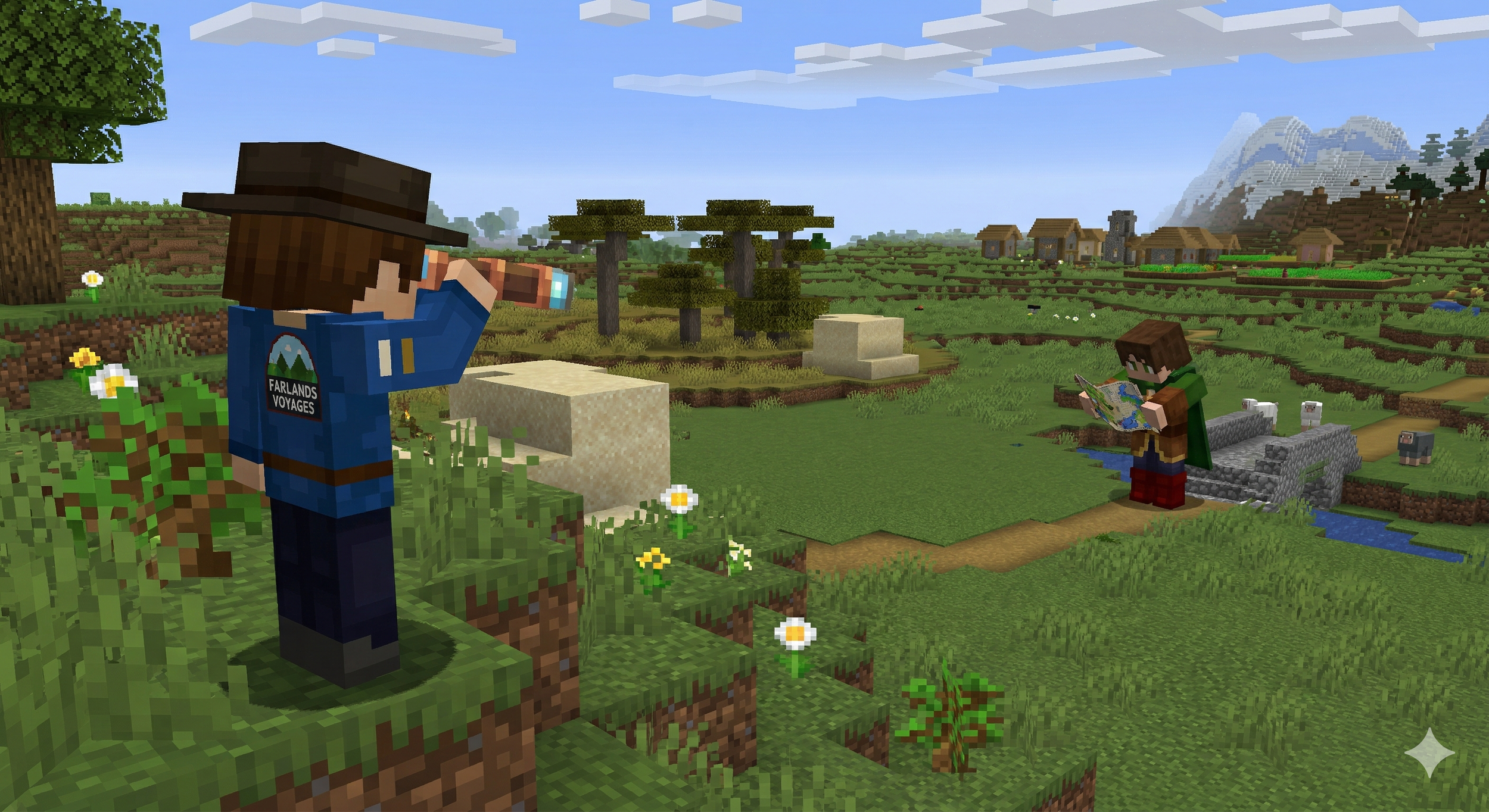
🔭 Week 1 The Spyglass Series The Focused Lens (Self)"I listen to the whole instruction before I start building."
Is your child "running" before the map is even unfolded? 🔭
We’ve all been there: you give a simple three-step instruction, and your child is already halfway down the hall—only to stop and ask, "Wait, what was I supposed to do?"
This week at Farlands Voyages, we are hoisting The Spyglass Badge. We’re diving into the science of why neurodivergent (ND) brains struggle to "listen" even when they "hear" every word.
Inside this week’s blog:
Hearing vs. Listening: Understanding the "Social Static."
The Multi-Step Trap: Why 3 instructions are actually a fog for the ND brain.
The "Red-Light Architect": How we’re using Minecraft to train the "Internal Brakes."
Rewriting the Script: Shifting from "I forgot again" to "I dropped my anchor!"
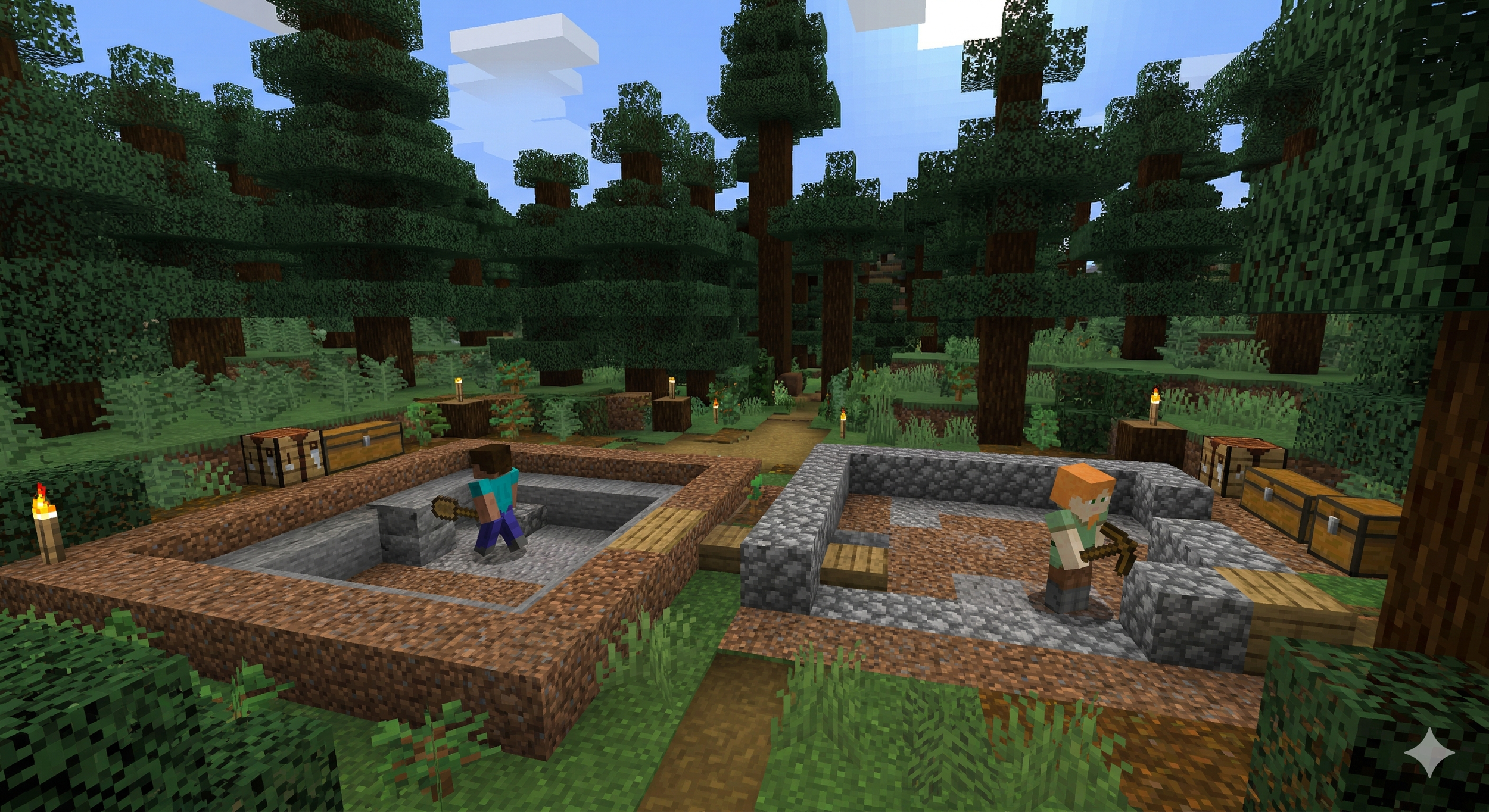
Week 4 of the Spyglass Series - Breaking the Collaboration Blindfold: The Science of Shared Goals
Is it "selfishness"—or is it Context Blindness? 🧱
In the Farlands this week, our mission had a twist: you had to build your partner's house foundation before you could start your own. For many neurodivergent (ND) kiddos, this felt like an impossible detour.
It’s easy to label a child as "uncooperative" when they balk at helping a sibling or peer, but the science tells a different story. Between Context Blindness and the high cognitive cost of Joint Attention, many ND brains aren't ignoring their partner—they literally don't "see" the shared goal until it’s mapped out for them.
In my latest blog, I explore:
Why "Hyperfocus" makes collaboration feel like a circuit break.
How to turn vague requests into "Social Blueprints."
The "Parallel Collaboration" trick for high-anxiety moments.
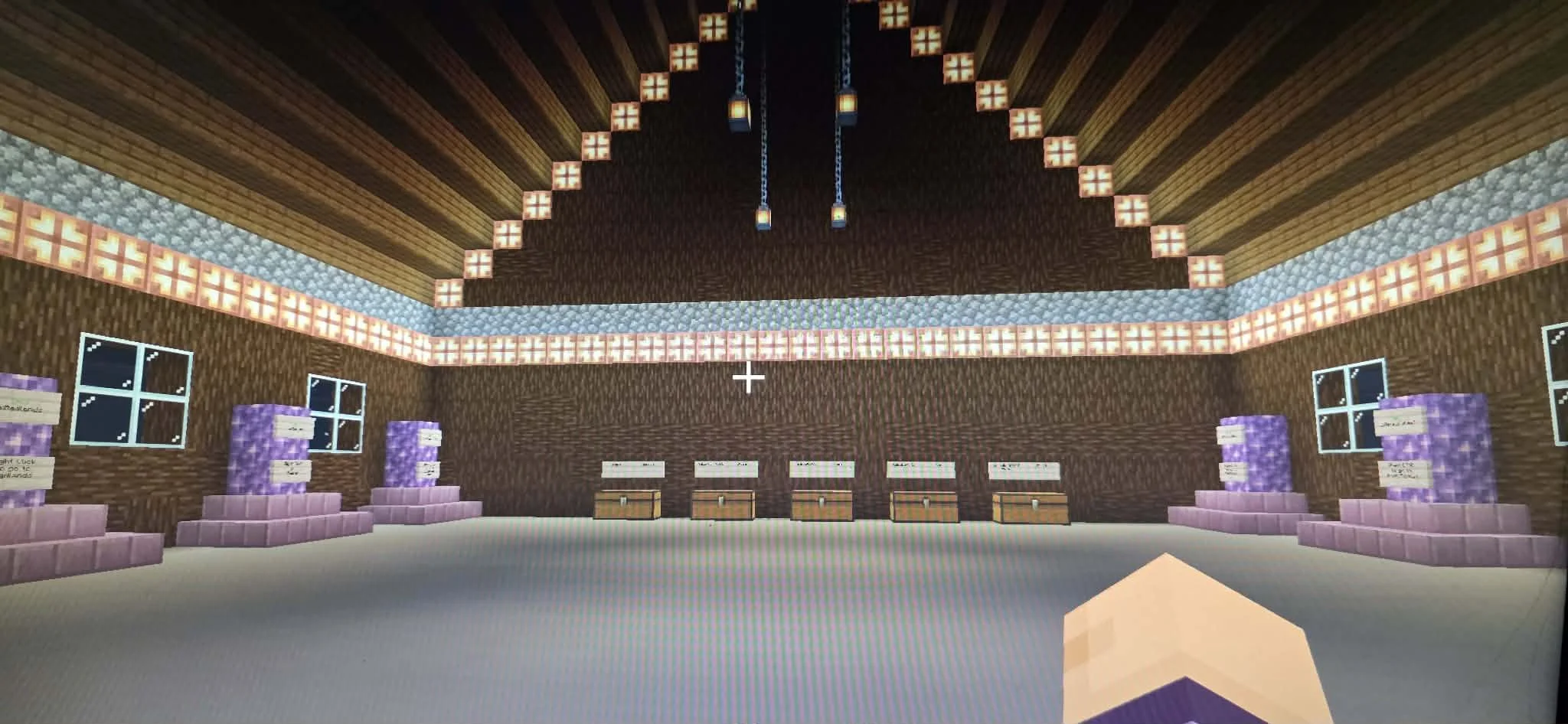
The "Treasure Hunt" for Empathy: Learning to See Through Someone Else’s Lens
Stop asking them to "read the room." Start giving them the "Partner Book." 📖
Neurodivergent brains often struggle with "Theory of Mind"—the spontaneous ability to intuit what someone else needs. In the Farlands, we don't wait for intuition; we use External Scaffolding.
By making a partner's needs concrete (written down in a Minecraft book), we're training the brain to look outside its own "focus tunnel."
Check out this week's blog for 3 real-world "Supply Scout" missions you can start at home today to build empathy muscles—one block at a time.
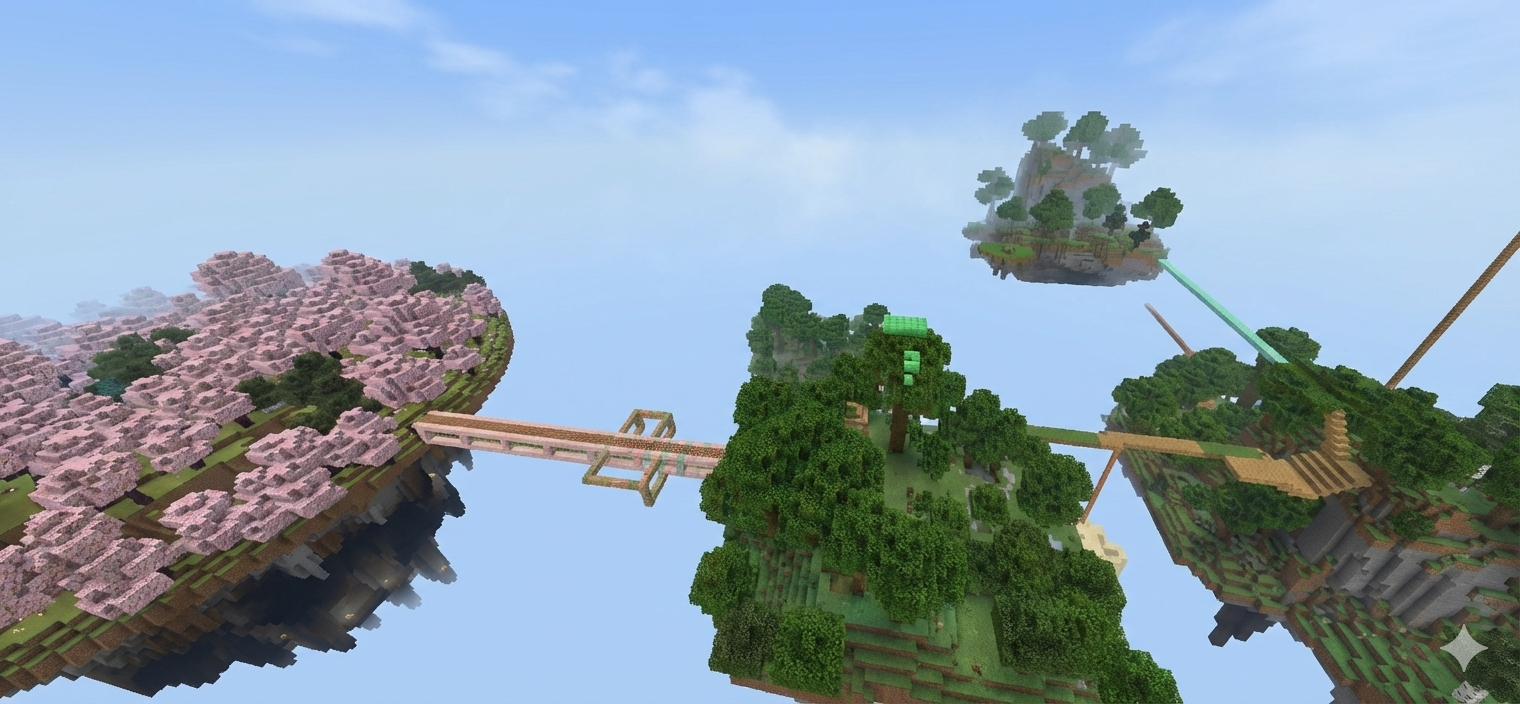
From Screen Time to Social Growth: Why Minecraft is the "Safe Harbor" Your Child Needs
Can Minecraft teach a middle schooler the "art of the compromise"? 🏗️⚓
As an educator, I often hear the "screen time" worry. But in the right environment, digital play is actually a high-stakes social laboratory. In my latest article, I explore how our "Island Bridge" mission helps neurodivergent students navigate personal boundaries and "sharing power" in real-time.
Backed by recent peer-reviewed research and stories from the Farlands, I’m diving into why Minecraft is the "Safe Harbor" our teens need to build real-world social superpowers. 🧭
www.farlandsvoyages.org
#Neurodiversity #EdTech #SEL #MinecraftEducation #ADHD #LeadershipDevelopment
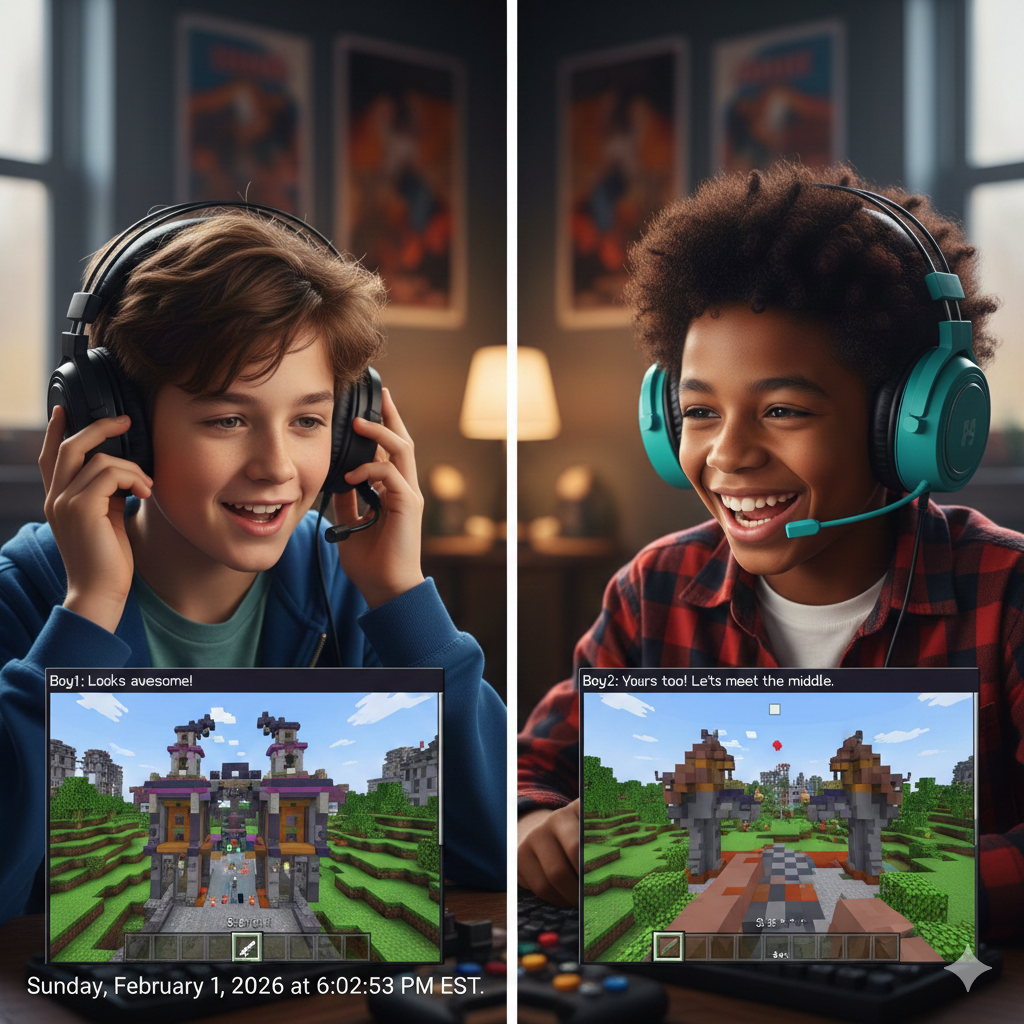
⚓ Navigating the Digital Seas: How to Create Safe Spaces & Foster Communication in Online Gaming
"For today's youth, the digital world isn't just a game—it’s the new 'Front Porch.' But how can parents ensure their children are navigating these social waters safely? From identifying Red Flags to building a 'Shield' around personal information, learn how you can move from being a bystander to a co-navigator in your child’s digital journey. We explore the research-backed benefits of parental engagement and how to turn screen time into a bridge for open communication."
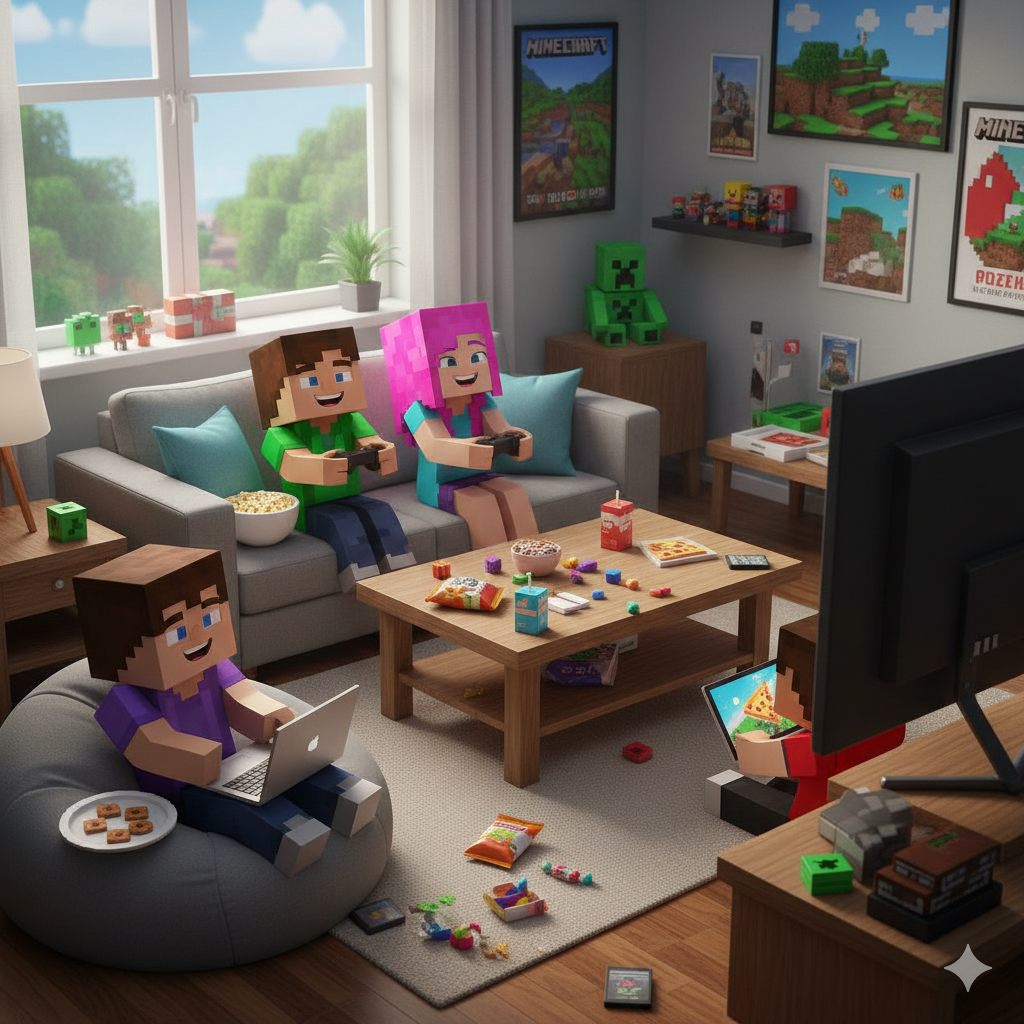
More Than Just A Game
"For the next generation, Minecraft isn't just a game—it’s a social hub. Explore the science behind why meeting kids where they are in digital worlds can bridge communication gaps and build lifelong social-emotional skills."